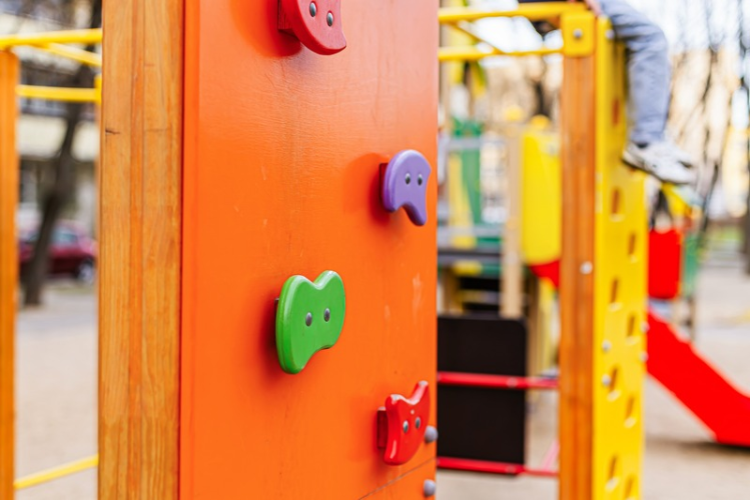
After a busy fall, your school’s playground may or may not be winding down for the season, as winter begins to settle in. Whether you’re in a warmer climate or facing down snow in the near future, now may be a good time for schools to check for hazards that may have developed over the past couple months.
Administrators, facilities teams and maintenance staff should continue inspecting playgrounds regularly and address problems as soon as they are identified. Here are seven common hazards to watch for.
1. Damaged or Worn Playground Equipment
Inspect swings, slides, climbing structures and other equipment for cracks, breaks, loose parts, sharp edges, exposed bolts or missing components. Pay extra attention to high-use areas and equipment affected by storms or weather.
Remove equipment with serious safety concerns from service until it is repaired or replaced.
2. Worn or Inadequate Safety Surfacing
Playground surfacing helps cushion falls and reduce injuries. Check for cracks, gaps, uneven areas, compaction and excessive wear. Loose-fill materials can also shift away from high-traffic areas.
Administrators should also check that surfacing extends throughout the required use and fall zones around playground equipment. If the surface no longer provides adequate coverage or impact protection, repairs or replacement may be necessary. Durable, impact-absorbing options such as poured-in-place rubber playground surfacing can help schools maintain consistent protection for students.
3. Trip Hazards and Uneven Ground
Walk the playground and surrounding pathways regularly. Look for holes, raised edges, exposed roots, broken pavement and uneven transitions between surfaces.
Even small changes in elevation can create trip hazards in busy areas.
4. Loose Hardware and Structural Connections
Check bolts, screws, nuts, chains, fasteners and connection points for looseness, rust or damage. Pay particular attention to swing chains and attachment points.
Replace missing or damaged hardware according to the manufacturer's recommendations.
5. Drainage Problems and Standing Water
Keep an eye out for puddles, mud, erosion and areas where water collects after rain. Clear leaves, dirt and debris from drains and drainage paths.
Persistent drainage issues may require professional evaluation or repairs.
6. Debris, Overgrown Vegetation and Environmental Hazards
Regularly check for sticks, rocks, glass, litter and other debris. Look for overgrown bushes, low branches, exposed roots, thorny plants and insect nests.
Summer storms can also leave behind fallen branches or other debris that should be removed promptly.
7. Damaged Fencing and Gates
Inspect the playground perimeter for damaged fencing, gaps, rust and sharp or protruding parts. Gates should open and close properly, latch securely and be free of pinch or entrapment hazards.
Keep pathways around the playground clear and accessible.
Playground Safety All Year Long
Playground safety requires ongoing attention throughout the school year. Daily use, changing weather and normal wear can create new hazards.
Establish routine inspections and maintenance, and make sure teachers, recess monitors and other staff know how to identify and report problems.
For significant repairs, equipment replacements or surfacing improvements, consider working with qualified playground safety professionals.